



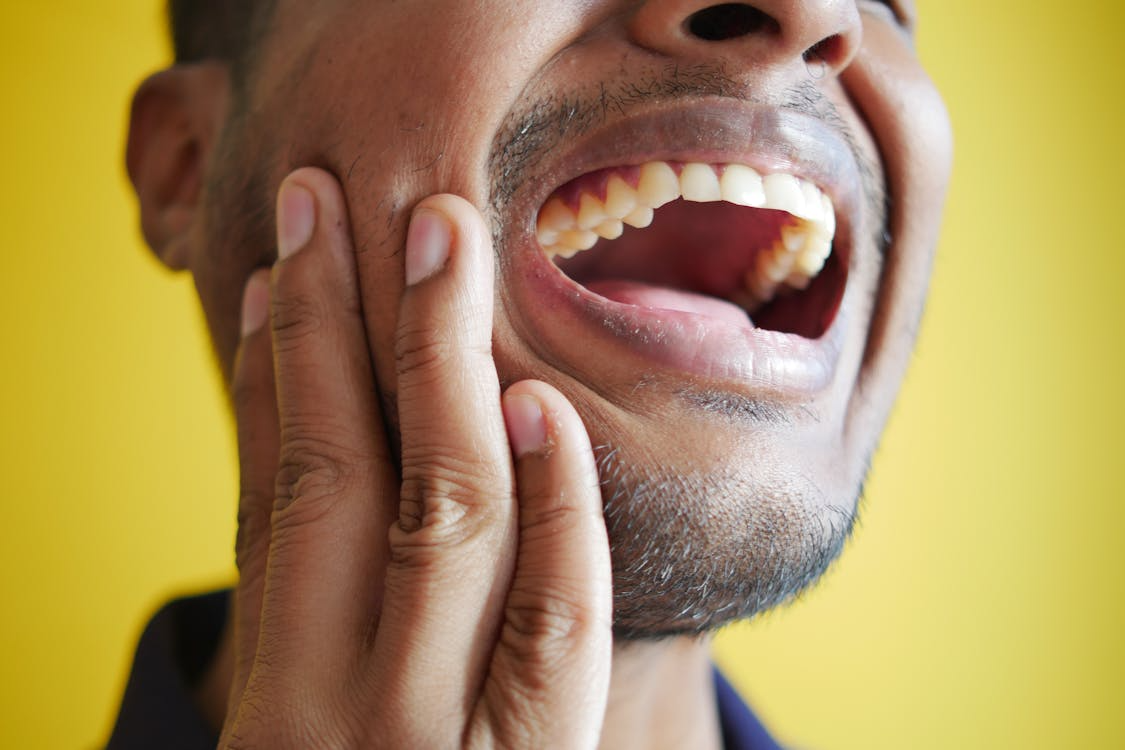
Jaw pain that flares during busy days is often a stress signal you can feel. You clench while concentrating, driving, answering emails, or dealing with conflict. That “teeth together” time adds up fast.
The cost is more than discomfort. It’s headaches, distracted work, irritability, and a workday that feels harder than it should.
If you’re also responsible for a wellness message at a workplace, clinic, or event, the goal is the same: reduce friction and give people a simple next step they’ll actually use. The best outcomes come from small resets repeated throughout the day, plus a physical cue that reminds someone to release tension.
That’s one reason promotional stress balls stay popular in wellness campaigns.
Why does stress cause jaw clenching and TMJ flare-ups?
Stress doesn’t always start a TMJ problem, but it can turn the volume up. Under pressure, many people brace without noticing.
The jaw is a common “brace point,” along with the shoulders and neck. If your teeth touch for long stretches, the jaw muscles fatigue and the joint can get irritated. Then the soreness becomes its own stressor, and the loop continues.
A helpful mental model is load management. The goal isn’t perfect relaxation. It’s reducing how long the jaw stays switched on.
How to stop clenching your jaw during the day
You don’t need a long routine. You need a repeatable cue and a 10-second reset.
Try this two-part check:
- Teeth apart, lips together. Your teeth don’t need to touch unless you’re chewing or swallowing.
- Tongue lightly on the roof of your mouth. Not forced, just a gentle “resting spot” that discourages clenching.
Then add a micro-release:
- Exhale slowly.
- Drop your shoulders.
- Let the jaw hang loose for two seconds.
Repeat it whenever you catch yourself bracing. Consistency beats intensity.
“How do I know if it’s TMJ, bruxism, or just tension?”
You don’t have to diagnose yourself to make progress, but a few signals change what you do next.
More likely tension and clenching habits
- Soreness that rises during the day
- Tight jaw after focused work
- Symptoms improve with breaks and relaxation
More likely a TMJ flare pattern
- Clicking or popping with pain
- Limited opening, jaw “stuck” moments
- Pain with chewing that lingers
Worth professional evaluation sooner
- Jaw pain with ear symptoms that don’t resolve
- Tooth pain or sensitivity without a clear cause
- Locking, significant limitation, or worsening symptoms
If you’re unsure, treat it as a habit and load problem first. If it doesn’t improve or you have red-flag symptoms, involve a dental professional or TMJ-focused provider.
What triggers a TMJ flare-up at work?
Most flare-ups are predictable once you look for patterns. Common triggers include:
- Screen posture and forward head position
- Long calls where you brace or hold the jaw tight
- High caffeine plus low hydration
- Driving or commuting with tense shoulders
- Deadlines and conflict, especially if you “power through” without breaks
If your jaw pain spikes in the same situations, you’re not failing at relaxation. Your environment is cueing the habit. Your plan should match the trigger.
Quick relief for jaw tension at your desk
These options are simple, low-risk, and realistic during the day:
- Warmth: A warm compress for a few minutes can help tight muscles settle.
- Gentle stretching: Slow opening and closing, no forcing through pain.
- Chew and gum audit: If you’re chewing gum all day, your jaw may never get a break.
- Posture reset: Stack ears over shoulders, soften the ribs, drop the shoulders.
What to avoid in a flare: aggressive stretching, wide biting, or “testing” the jaw repeatedly to see if it still hurts.
Why a physical cue helps more than “remembering to relax”
Daytime clenching is automatic. That’s why reminders fail. A small, visible cue can interrupt the habit before it stacks.
In clinics, HR programs, and trade shows, that’s where promotional stress balls can do real work. Not as a magic fix, but as a desk-level prompt to unclench, exhale, and reset. The item only works if you pair it with one clear instruction, like: “Teeth apart. Breathe out. Drop your shoulders.”
Turning a jaw-pain message into a useful giveaway
If you’re building a campaign, keep the message tight:
- One symptom people recognize (clenching, jaw tightness, headaches)
- One habit shift (teeth apart, tongue rest position)
- One next step (scan for a 30-second reset guide or schedule an evaluation)
We also see campaigns work better when the item matches the message. A themed shape or custom design makes the takeaway feel intentional, not generic. With 1001 Stress Balls, you can choose from a large catalog of shapes or talk with us about custom shapes for a more memorable fit.
If you want to drive action, a QR code can be a strong bridge, but it needs to be readable and large enough on the imprint area. Some items qualify and some do not, so it’s smart to plan the shape and artwork together.
Reduce the clenching loop, then reinforce the habit
Stress-related jaw pain improves when you stop treating it like a mystery and start treating it like a pattern. Reduce the time your teeth touch, add quick resets you can repeat at work, and pay attention to triggers that keep reloading the system.
If you’re supporting a wellness message, promotional stress balls can reinforce the habit shift when paired with one clear instruction and a simple next step.
If you are ready to support a stress-and-jaw-pain campaign with a better-fit giveaway, reach out to us about custom shapes at 1001 Stress Balls.